


Terminal Operating System for Inland & Dry Terminals
Terminal Operating System (TOS) is an operational layer used in inland and dry terminals to coordinate container movements, yard activity, and gate processes within a broader terminal management ecosystem.
🎯 Used by terminal operators, depot managers, and container leasing companies worldwide.
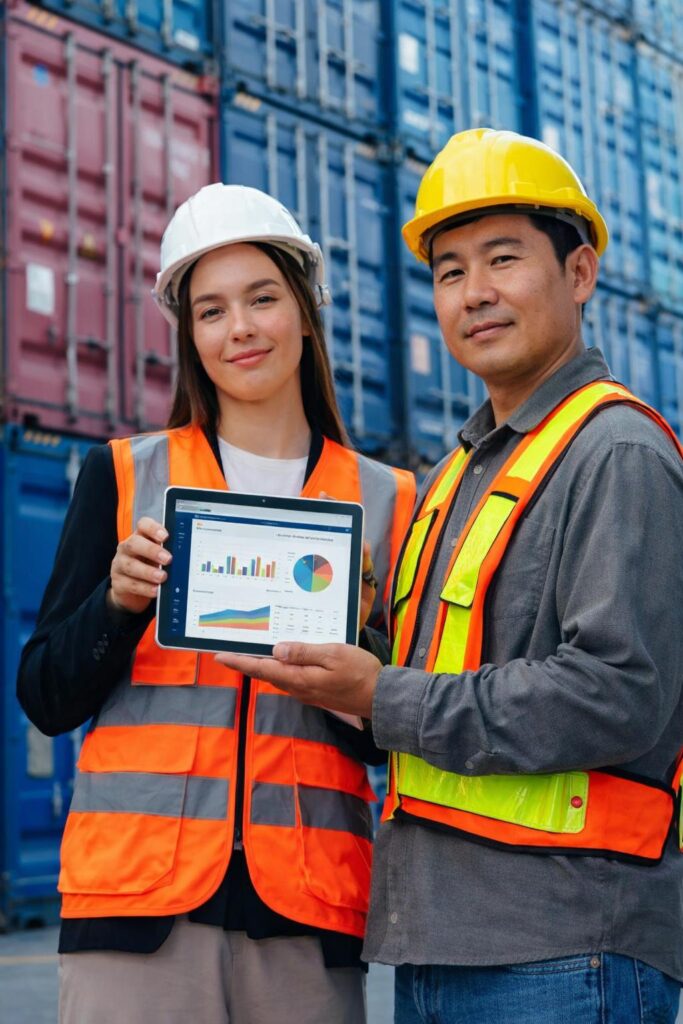
Core Operational Capabilities of a Terminal Operating System
1. Real-Time Terminal Container Tracking
Track every container across the terminal area with live status updates.
Monitor container movements, locations, and operational states in real time to maintain full terminal visibility.
2. Smart Gate In / Gate Out Control
Automate terminal gate operations with structured check-in and check-out workflows.
Use OCR, timestamps, and container code validation to improve gate flow and eliminate manual errors
3. Digital Yard & Terminal Map
An interactive digital map provides a real-time view of container positions across terminal zones.
Filter containers by size, type, client, location, and gate status for fast operational decisions.
4. Damage Recording & Inspection Workflow
Record container damages during terminal operations using photos and standardized inspection steps.
Create inspection records, track repair actions, and maintain operational compliance inside the system
5. Client Access for Terminal Operations
Provide container owners and partners with controlled access to terminal data.
Clients can track container status, request releases, monitor storage days, and receive real-time notifications.
6. Operational Dashboards & Analytics
Visualize terminal performance with built-in dashboards.
Track container turnover, average storage time, gate activity, and yard occupancy to optimize terminal workflows.
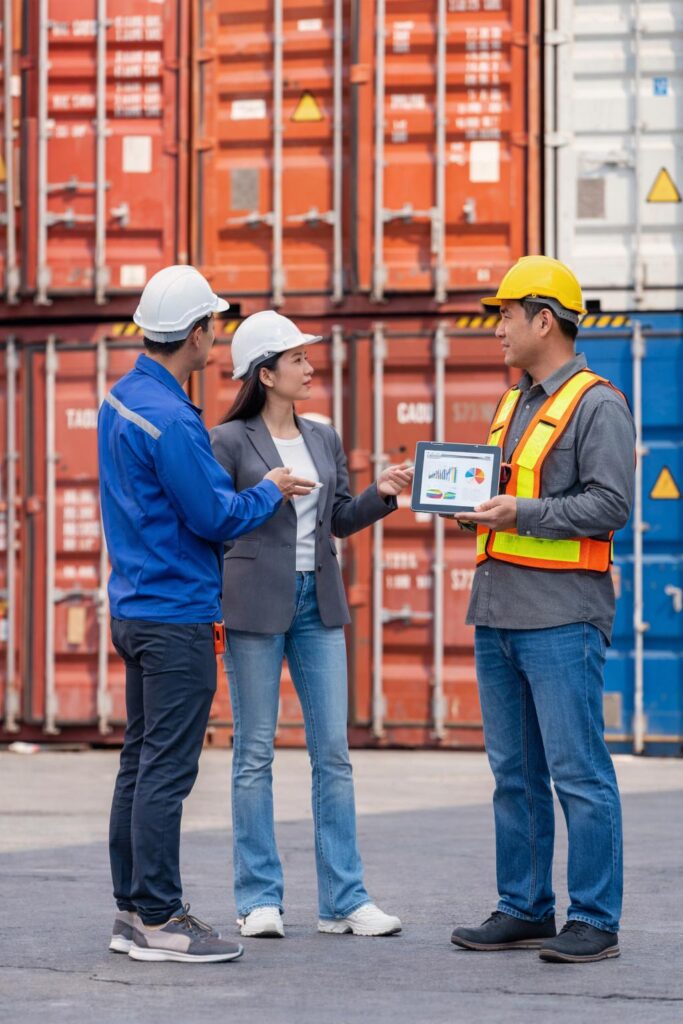
A Terminal Operating System for Inland Terminal Operations
A modern terminal operating system designed for inland terminals, dry ports, and off-dock facilities.
Control gate flows, yard operations, and container movements without port-level complexity.
A Terminal Operating System for Inland Terminal Operations
A terminal operating system for inland terminal operations focuses on managing container movements, yard activities, and gate processes within non-seaport terminal environments.
Such systems are commonly used at inland terminals, dry ports, and off-dock facilities to support operational coordination, container tracking, and workflow visibility without the complexity of full port terminal systems.
Real-Time Container Tracking
Real-time container tracking provides continuous visibility into container location, status, and movement across the terminal.
A terminal operating system typically records container arrivals, relocations, and departures as they occur, allowing operators to monitor yard activity and operational states in a single system.
Smart Container Inventory Management
Container inventory management in a terminal operating system focuses on maintaining accurate records of container types, sizes, ownership, and storage status.
The system supports classification, filtering, and status tracking of containers to ensure consistent inventory data across yard operations and reporting processes.
Integrated Terminal & Yard Operations
Terminal and yard operations are typically managed as connected workflows within a terminal operating system.
This includes coordination between gate processes, container handling, internal movements, and operational status updates, ensuring that terminal activities are recorded and synchronized within a unified operational environment.
Empty Container Yard Operations
Empty container yard operations involve managing storage, repositioning, and release of empty containers within terminal facilities.
A terminal operating system supports these workflows by tracking container availability, yard locations, and operational events related to empty container handling.
Cloud-Based Terminal Operating System
A cloud-based terminal operating system is deployed and accessed through a centralized online environment rather than on local infrastructure.
This model supports remote access, centralized data storage, and consistent system availability across terminal locations and user roles.
Operational Visibility Across Container Workflows
Terminal operating systems consolidate container movements, yard activity, and gate events into a unified operational view that helps inland terminals maintain day-to-day operational visibility.
- Unified Dashboard
- Real-Time Updates
A unified dashboard provides a consolidated view of container movements, yard activity, and gate events across the terminal.
Real-time updates allow terminal teams to track container status changes and operational events as they occur.
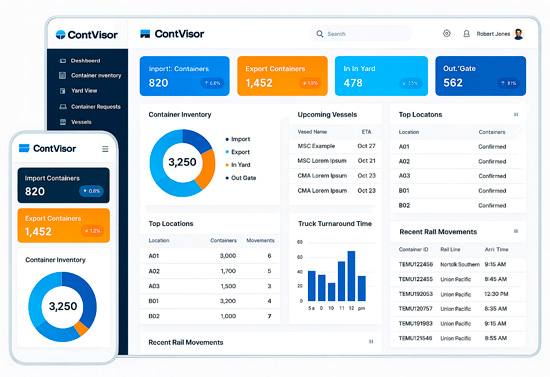

Powerful and Intuitive Terminal Operating System
ContVisor is a cloud-based terminal operating system designed for inland terminals, dry ports, and off-dock facilities.
It provides real-time visibility into container movements, yard activity, and gate operations through a single operational interface.
The system is built to support terminal workflows while seamlessly integrating with a centralized
container depot software
environment for terminals that also manage depot storage and empty container flows.
How to Get Started in 4 Easy Steps
Track container movements, control gate-in and gate-out processes, and monitor yard activity efficiently.
For terminals with depot operations, ContVisor extends naturally into a unified container depot software platform.
Terminal Operating System Challenges in Daily Operations:
Operational Visibility Gaps
In many inland terminals, container movements and yard activity are tracked across multiple tools, which makes it difficult to maintain a consistent, real-time operational view across daily workflows.
Without centralized operational data, supervisors must rely on manual checks, phone calls, or delayed reports to understand what is happening on the ground.
Manual and Fragmented Terminal Workflows
Daily terminal operations depend on spreadsheets, paper logs, and manual reconciliation of container movements. Yard updates, gate events, and inventory changes are recorded separately, increasing the risk of errors and delays.
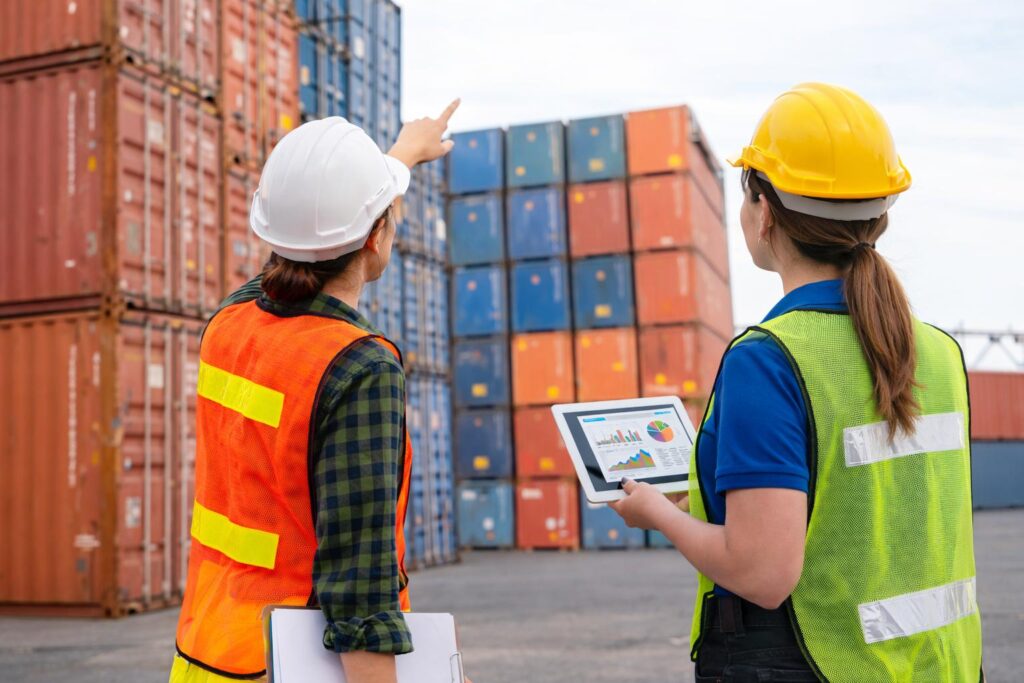
Operational Transparency Challenges
When terminal status information is distributed across different systems or teams, customers and internal staff may experience limited access to up-to-date container progress and operational context.
Disconnected Terminal and Depot Operations
Terminal activities often operate separately from depot workflows, resulting in inconsistent container status, duplicated data entry, and misaligned operational records across locations.
Contact Us
How can we help you?

Start a new level of terminal management
Our container depot software gives you powerful tools to manage depot operations, optimize container flow, and improve visibility.
Easily track gate-in/gate-out, automate yard planning, and make smarter operational decisions — all in one platform.


Utility pages
Ready to digitize your container depot?
© Copyright 2025, All Rights Reserved by ContVisor