


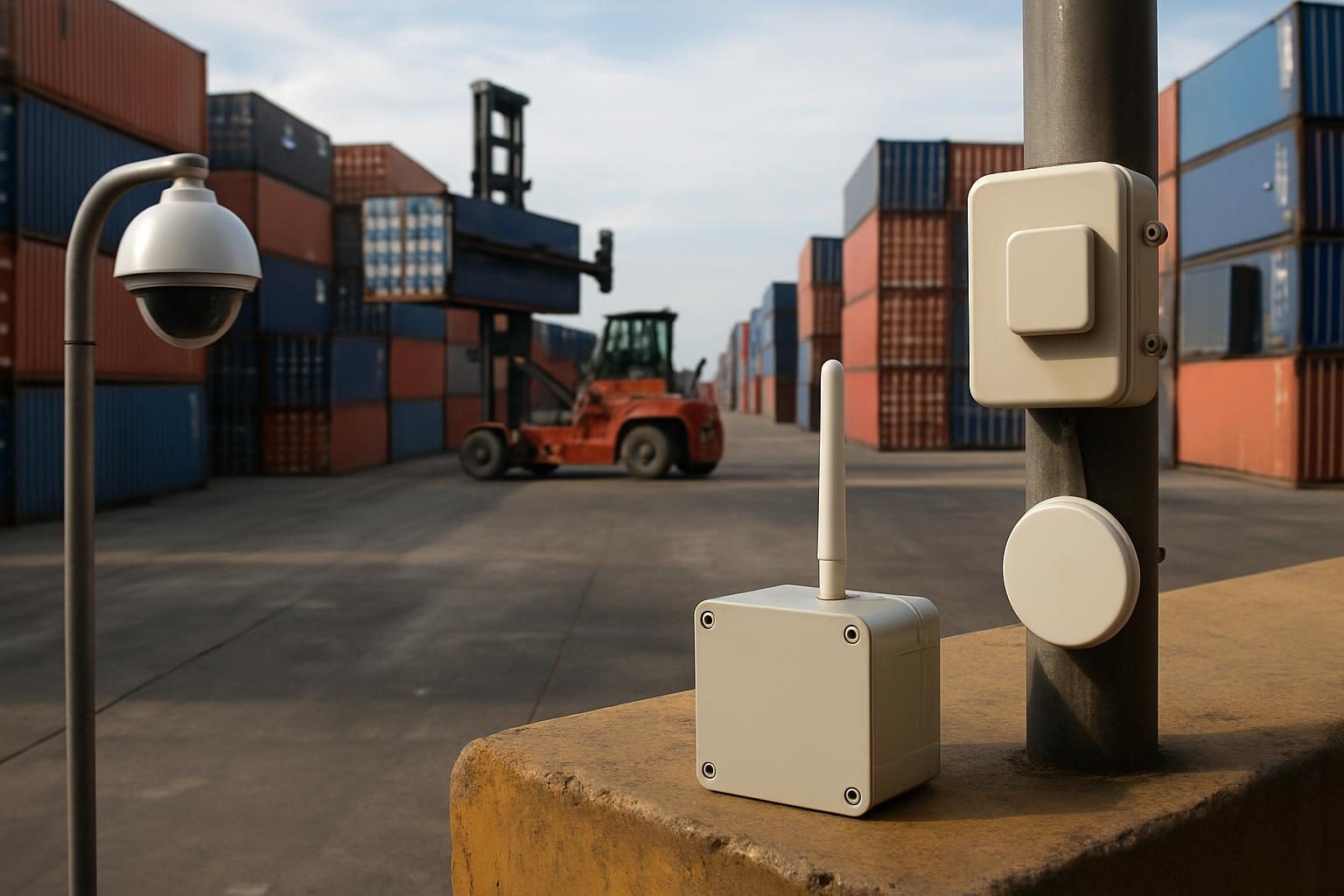
Incorporating IoT solutions in container depots and terminals can transform the way you manage operations. From real-time tracking to automated damage detection, IoT technology offers a range of benefits that can simplify processes and reduce errors. Yet, implementing these solutions comes with its own set of challenges that need careful consideration.
As a depot owner or operations manager, you may have experienced the frustration of a truck waiting at the gate for paperwork or dealing with disputed storage invoices. IoT can address these issues by providing real-time data and automating many manual tasks. However, understanding the full scope of IoT’s impact requires a closer look at both its advantages and potential hurdles.
Benefits of IoT Solutions in Container Depots
One of the most significant benefits of IoT in container depots is real-time tracking. With IoT devices, you can monitor container movements, gate in and out processes, and yard activities without delay. This not only boosts operational efficiency but also improves transparency for container owners. Depot software in general can integrate IoT to provide these capabilities.
IoT solutions can also automate damage detection and repair workflows. Imagine a scenario where a container’s door is found damaged after gate in. IoT-equipped cameras and sensors can immediately capture and report such damages, ensuring timely repair estimates. This minimizes disputes and speeds up the repair process, ultimately leading to better customer satisfaction.
Also, IoT can greatly improve inventory management within your depot. With sensors attached to containers, you can receive instant alerts about container locations, reducing the time spent searching for misplaced units. This level of precision not only saves time but also reduces labor costs. By knowing exactly where each container is located, you can make better use of yard space and improve turnaround times.
IoT also helps with predictive maintenance. Sensors can monitor the condition of equipment and containers, predicting potential failures before they occur. This proactive approach minimizes downtime and extends the lifespan of your assets, ensuring that operations run smoothly without unexpected disruptions. Learn more about future depot management technologies.
Challenges in Implementing IoT Solutions
Despite the clear benefits, implementing IoT solutions in container depots isn’t without challenges. Initial setup costs can be high, and integrating IoT with existing systems requires careful planning. For instance, syncing IoT data with your current depot management software is necessary for smooth operations.
Data security is another significant concern. With IoT devices collecting vast amounts of data, protecting this information from cyber threats is a top priority. Ensuring that your IoT infrastructure complies with data protection regulations is essential to safeguard your depot’s operations.
Additionally, the integration process can be complex, requiring specialized knowledge and expertise. You may need to upgrade your existing IT infrastructure to support IoT devices, which can be a daunting task. Training staff to effectively use and maintain these new technologies is also important for successful implementation.
Another challenge is the potential for data overload. With IoT devices generating vast amounts of data, it can be overwhelming to manage and analyze this information effectively. Investing in advanced analytics tools and software that can process and make sense of this data is important to maximizing the benefits of IoT.
Improving Gate In and Out Processes
Gate in and out processes can be a bottleneck in depot operations. IoT solutions, such as OCR and BIC validation, can expedite these processes by automating documentation and verification. This reduces wait times for trucks and improves overall efficiency. Depot software often uses IoT to make these operations more efficient.
By integrating IoT with your depot software, you can also improve the accuracy of EIRs and damage reports. Automated systems capture data more reliably than manual inspections, reducing errors and improving the quality of information shared with container owners.
Consider a scenario where a truck arrives at your depot’s gate with a container. With IoT-enabled systems, the truck’s details are automatically captured and verified against your database. This eliminates the need for manual checks, speeding up the gate process. Additionally, IoT can provide real-time updates to drivers, reducing idle time and improving traffic flow within the depot.
IoT solutions also facilitate better communication between different departments within the depot. For instance, once a container is gated in, the yard team can receive instant notifications about its arrival, allowing them to plan yard moves and stacking more efficiently. This level of coordination reduces delays and improves overall depot productivity.
Optimizing Yard Moves and Stacking
IoT technology can optimize yard moves and stacking by providing real-time data on container locations and conditions. This helps in making informed decisions about where to place containers for better access and safety. Depot software can use IoT data to offer precise container positioning, making yard operations more efficient.
With IoT, you can also monitor environmental conditions affecting sensitive cargo, like reefers. Real-time alerts can be set up to notify you of any deviations from the required conditions, ensuring the integrity of the cargo throughout its stay in the yard.
In addition to optimizing space, IoT can help in planning efficient yard moves. Real-time data on container weight and dimensions can help you decide the best stacking order, reducing the need for unnecessary moves and minimizing the risk of accidents. This not only improves safety but also reduces fuel consumption and wear on handling equipment.
IoT also enables better coordination between different yard operations. For example, when a container is scheduled for pickup, IoT systems can automatically notify the yard team to prepare it for dispatch. This level of automation ensures that containers are ready on time, reducing delays and improving customer satisfaction. Discover more about yard management software.
Managing Free Days and Storage Billing
Managing free days and storage billing can be challenging, especially when dealing with multiple shipping lines. IoT solutions can automate tracking of free days and generate accurate billing reports based on real-time data. This reduces disputes and ensures fair billing practices.
By integrating IoT with billing systems, you can provide container owners with transparent and up-to-date information. This builds trust and improves relationships with your clients. Explore our depot software’s billing features.
IoT can also help in managing exceptions and disputes related to billing. For instance, if a container exceeds its free days, IoT systems can automatically calculate the additional charges and notify both the depot and the client. This reduces manual errors and ensures that all parties are aware of the billing status.
Additionally, IoT can provide insights into storage patterns and utilization, helping you use space better and improve profitability. By understanding which containers are staying longer than expected, you can adjust your pricing strategies and offer more competitive rates to clients who efficiently manage their inventory.
FAQ
What are the initial costs of implementing IoT in depots?
Initial costs can vary depending on the scale of implementation and the specific IoT devices required. Costs include hardware, software integration, and potential training for staff. However, the long-term benefits often outweigh these initial expenses.
How does IoT improve container security?
IoT enhances container security by providing real-time monitoring and alerts for unauthorized access or tampering. Sensors can detect and report unusual activities, allowing for quick response and mitigation of security risks.
Is IoT integration compatible with existing depot software?
Most modern depot software solutions, like ContVisor, are designed to work well with IoT integration. It’s important to verify compatibility and plan the integration process carefully to ensure everything works smoothly.
What training is required for staff to use IoT solutions?
Training requirements depend on the complexity of the IoT system implemented. Generally, staff will need to learn how to operate new devices, interpret data, and respond to alerts. Ongoing training may be necessary as technology evolves.
Conclusion
IoT solutions offer big advantages for container depots and terminals, from improved efficiency to better security. While challenges exist, careful planning and integration can help you overcome them. Request a demo to see how ContVisor can enhance your depot operations with IoT.

